Burst pipes at 2 a.m., a failed boiler on the first frost of December, a ceiling stain that grows by the hour. Plumbing emergencies announce themselves without courtesy. When you live or work in Leicester, the difference between a costly disaster and a manageable fix often comes down to two factors: how quickly you act in the first minutes and which professional you call next. Over years spent on call across the city and its suburbs, I have learned that speed matters, but judgment matters more. Good emergency plumbers combine triage skills with clean, durable workmanship. The job is not only to stop water today but to prevent the same problem from finding you again in six months.
This guide distills field experience from Leicester plumbing and heating work into practical steps you can use now. It walks through proven leak detection methods, the reality of rapid repairs in lived-in homes, boiler faults that masquerade as leaks, and the criteria that separate a cheap plumber Leicester residents might try once from a trusted plumber Leicester families keep on speed dial.
The Leicester context that shapes plumbing emergencies
Local conditions shape the problems we see and how we solve them. Leicester has a mix of housing stock. Victorian terraces in Clarendon Park and Highfields, 1930s semis across Wigston and Oadby, 1960s-80s estates in Beaumont Leys and Hamilton, plus a growing number of modern flats in the city centre. That variety brings different weak points.
Older terraces often conceal original lead or galvanised runs, buried junctions, and soldered copper spanning fireplace voids. Floors are tight and access is awkward. Creaky stop taps sometimes fail to turn, so isolating water becomes the first challenge.
Post-war homes typically use copper with compression fittings. Over decades, limescale baked into joints and microfractures at bends cause capillary leaks that look harmless until they saturate chipboard. These homes often have loft tanks and gravity-fed systems that complicate isolation. A small leak into a loft tank overflow can mimic a roof issue for weeks.
Newer builds lean on plastic pipework and push-fit fittings. These are reliable when installed well, but a badly cut pipe end or missed collet clip can blow under pressure surges. I have seen entire hallways ruined when a washing machine isolation valve cap fractured after someone overtightened it.
Water hardness is another local reality. Leicestershire sits on hard water. Scale accumulates quickly in kettles and boilers, and it forms mineral dams in ball valves and flush mechanisms. Hard water accelerates wear of rubber washers. Scale also narrows pipe bore, raising water velocity, which increases noise and stress at elbows. I mention this because noise often tells you where to start listening.
Seasonal freeze-thaw cycles play a role too. A snapped garden tap in January is common. So are frozen condensate pipes that shut down condensing boilers and spill water back through the appliance. Leicester’s winter nights are not Siberian, but they are cold enough for unlagged loft and external pipe runs to freeze.
Finally, consider the utility backdrop. Most Leicester properties fall within Severn Trent Water’s supply area. The company maintains the water main up to the boundary, and you own the problem beyond your stop tap. Some leaks within a metre of the boundary can be ambiguous. A seasoned plumber in Leicester knows when to advise the customer to log an investigation with Severn Trent before tearing up a drive on their own dime.
What to do in the first five minutes
The first minutes dictate outcomes. Water doubles damage every hour because it migrates into insulation, plaster, subfloors, and electrics. You do not need to be technical. You need to be decisive.
- Find and shut the main stop tap. Typical locations in Leicester: under the kitchen sink, near the front door in a ground-floor cupboard, in the garage, or in a cellar. Turn clockwise until tight. If it is stuck, do not snap it. Call an emergency plumber and request assistance isolating the supply. If you have a combi boiler, turn off the boiler’s cold feed isolation under the unit. For systems with loft tanks, tie up the ballcock to stop the tank refilling and then run taps to drain down gently. Switch off electrics if water is near sockets or light fittings. At the consumer unit, turn off the affected circuit or the main switch if unsure. Open low taps to relieve pressure and collect water in buckets. Flush toilets once to empty cisterns. Move valuables, roll back rugs, and pin back curtains. Start gentle airflow with a fan and crack windows to limit condensation.
These steps give an emergency plumber Leicester professionals enough headroom to assess safely when they arrive. They also protect your insurer’s trace and access claim because you acted to mitigate damage.
How emergency plumbers approach rapid diagnosis
In a true emergency, the clock is not just ticking on damage. It is ticking on stress levels and cost. Experienced emergency plumbers triage in layers: visual, audible, tactile, then instrument-assisted.
Visual scanning looks for obvious signs: bulging paint at the coving, staining with a defined edge, a green tint around a copper joint, calcified crust on a compression nut, a wet skirting board corner that makes no sense unless a pipe runs through. In the field, I start where water shows last, not first. Ceiling stains often sit two joists away from the leak because water follows timber grain.
Listening is underrated. You learn the difference between a whisper of a pinhole leak and the sharp hiss of mains pressure. With everything isolated, I sometimes bring the pressure up in short pulses and listen. A noise behind a tiled wall can save an hour of blind chasing.
Touch tells you temperature and direction. If a stain feels warm, the hot line is involved. If a timber stud feels cold and damp high up, the source may be a shower valve or a tank overflow. I check for capillary action running along the bead of silicone or within plaster joints.
Instruments come next. The toolkit for leak detection in Leicester typically includes:
- Thermal imaging. A calibrated thermal camera reveals heat spreads from hot lines and cool anomalies from evaporative cooling. On underfloor heating, blocked or leaking loops stand out. Thermal works best shortly after pressurizing a circuit rather than long after saturation, which equalizes temperatures. Acoustic leak detection. A ground microphone or clamp-on sensor translates ultrasonic noise from a pressurized leak to audible sound. It is essential for buried pipe runs in concrete floors or drives. The device measures ultrasonic frequency in water-filled pipes and reveals the point of highest noise intensity, which correlates to the leak location. Tracer gas. An inert mix, typically 95 percent nitrogen and 5 percent hydrogen, replaces water in a closed circuit. Hydrogen molecules escape at leak points. A sniffer detects them through floors or walls. It is exceptionally useful where water has already spread widely and masked thermal clues. Pressure testing and monitoring. Gauges and data loggers show pressure decay over time. A controlled test isolates sections. If a circuit drops 0.5 bar over 15 minutes with all outlets closed, there is a significant breach. On central heating, a drop after bleeding radiators might be normal; stable rates tell the story. Moisture meters. Pin-type and pinless models confirm saturation gradients in plasterboard, timber, and screeds. Mapping helps decide where to open minimally for targeted repairs.
For a boiler leak, diagnosis angles change. A puddle under a combi might be a leaking pressure relief valve (PRV) discharging due to high system pressure, a failed pump seal, a weeping plate heat exchanger, or a blocked condensate trap. If pressure rises by itself overnight, a filling loop may be left cracked open or a plate heat exchanger is passing mains water into the heating side. Gas Safe registered engineers read those signs as fluently as a GP reads lab results.
Repairing fast without creating tomorrow’s problem
Speed without care is a false economy. A proper emergency plumber balances immediate control with durable restoration. There are leading strategies we use to stem the flow and then fix it right.
Pipe freezing is a classic. When isolation valves or stop taps are inoperable, a pipe-freezing kit creates an ice plug upstream. It buys 20 to 40 minutes of dry work time on small diameters. Judgment is key. On degraded copper with pitting, freezing can split the pipe. I avoid it on old microbore.
Push-fit repairs are fast and safe in a soaked void. Modern push-fit couplers and stop-ends, used with pipe inserts, reseal quickly on plastic or copper. They are excellent as a first response inside stud walls. But they need perfect pipe cuts and full engagement depth. I use them as a bridge to a later soldered joint if the customer wants belt and braces.
Soldering and brazing remain gold standards on copper. A clean, fluxed joint, heated evenly until solder draws smoothly, outlasts most of us. The constraint is fire risk. On timber-packed Victorian walls or next to dry, flammable dust in floor voids, I use heat mats, spray bottles, and fire blankets, plus a fire watch for 30 minutes after. Several Leicester terrace fires each year start from careless heating work. The time taken to protect and monitor is not optional.
Crimp systems deliver the best of both worlds in many cases. Press tools make permanent joints on copper and stainless without flame. They save time in hospitals, schools, and multi-occupancy buildings. On domestic jobs, cost may be a factor, but for inaccessible voids I often recommend crimped joints for peace of mind.
Plastic replacements suit long runs and corrosive environments. I replace corroded copper in damp floors with barrier PEX routed cleanly and supported. A single continuous run with no mid-floor joints removes future failure points. In driveways, MDPE with proper compression fittings and a protective sleeve is the way to go.
On sanitaryware and taps, a failed cartridge or split flexi hose is a frequent culprit. Flexi hoses with a stainless braid look robust, but the rubber core ages fast under hot water and constant pressure. I now install isolation valves and rated, WRAS-approved hoses, and I encourage homeowners to replace flexis as a scheduled part of plumbing repairs every 8 to 10 years.
For toilets, a slow leak at the pan connector or flush valve can mimic a soil stack issue. Dyes reveal hidden seepage. Replacement with a robust donut seal and correct torque on back nuts prevents the faint weep that destroys bathroom floors over months.
Boiler repair in emergencies starts with safety. Only a Gas Safe engineer should remove a boiler case on a room-sealed unit. Common rapid fixes include thawing and re-routing a frozen condensate line, replacing a pressure relief valve that will not reseat, fixing a failed auto air vent, or sealing a pump gland. If a plate heat exchanger passes internally, it can flood the heating side and spike pressure. The immediate step is to isolate the filling loop and bleed down. The proper fix is a new exchanger and a check of system inhibitor levels to protect the new part.
When to call an emergency plumber, and when to schedule
Not every drip is a 24/7 callout. emergency plumber A trusted plumber Leicester households rely on should tell you honestly when you can wait, and when you cannot. You can use this short guide during that 11 p.m. Decision-making moment.
- Call an emergency plumber now if water is running uncontrollably, if a ceiling shows active bowing or drip-through, if you see water near electrics, if a pipe has burst, or if your only toilet is unusable due to a leak or blockage. Schedule a next-day visit if there is a small, containable drip under a sink with the isolation valve off, if a radiator valve weeps but you can place a tray beneath, or if your boiler shows a stable but low pressure that you can top up to maintain heat overnight. Treat boiler smells of gas or burning as critical. If you smell gas, call the National Gas Emergency Service on 0800 111 999. Do not rely on a non-Gas Safe emergency plumber for anything involving combustion. Prioritize leaks on warm loops in winter. A heating circuit leak left for days can corrode pump bearings and invite sludge. Sludge is the enemy that shortens boiler life. If you live in a flat or HMO, err on the side of calling now. Water spreads to neighbours and turns your manageable issue into a building one.
That middle ground between panic and procrastination is where good advice lives. An experienced local plumber Leicester residents trust will talk you through isolation by phone to stabilize a situation until arrival.
The anatomy of hidden leaks in Leicester homes
Not all leaks shout. Many whisper for months, racking up meter readings and slow damage. Tracing these calls for method and patience.
Underfloor heating offers a classic challenge. In modern flats around Highcross and Leicester Royal Infirmary, wet underfloor systems run in screed. A pinhole or failed manifold o-ring can creep up on you as slightly higher gas usage, a faint musty smell, or a warm patch that never cools. Thermal imaging sees the serpentine pattern and reveals anomalies. I pressure-test a loop to 6 bar cold and leave it with a gauge and logger for an hour. If it holds within 0.1 bar, it is sound. If it drops, the tracer gas comes out.
Loft tanks in older homes breed mystery drips. A warped ball valve or scale-crusted seat causes an overflow through the external pipe that may discharge invisibly into a soffit. Residents swab a brown stain inside the front bedroom and curse the roof. The give-away is the stain’s shape and timing. If it appears after heavy water use, suspect the tank before calling a roofer. Replace the valve, descale the seat, and fix the overlong arm that keeps the waterline too high.
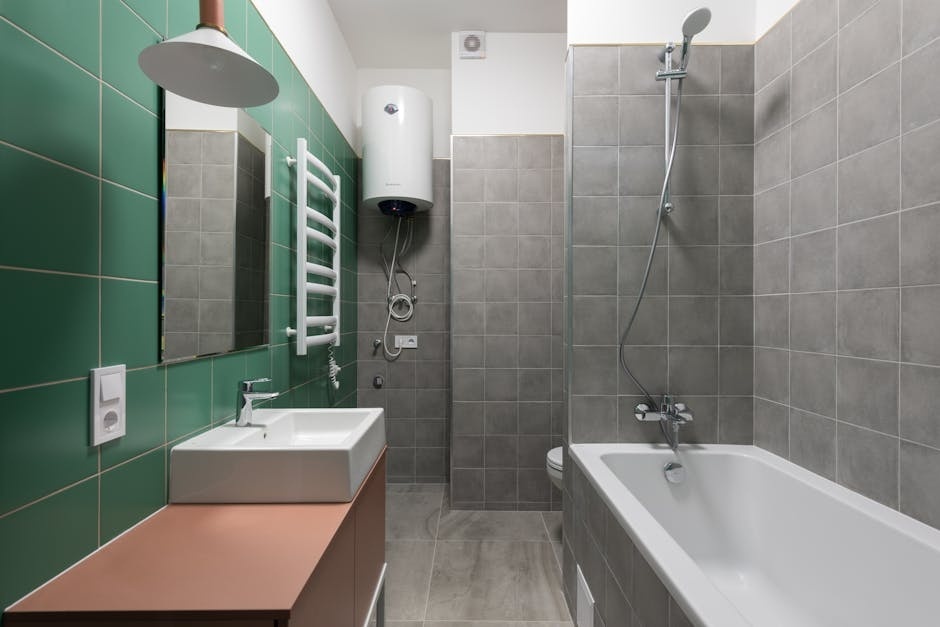
Shower valves inside stud walls generate a particular misery. A mixer cartridge dripping inside the cavity can run along the back of the tile board, appear at the skirting, then track into the next room. Dye tests and moisture mapping create the breadcrumb trail. I favour access panels hidden behind a mirror or a framed picture so future service does not wreck the bathroom.
Old lead risers present a health and leak risk. Where lead feeds still exist, they sometimes sweat leaks at wiped joints. Replacement to the boundary with MDPE and correct earthing of the electrical system is the right choice. Many insurers contribute under trace and access if you demonstrate a persistent leak has caused damage.
On heating systems, microbore installations can be leak-prone at manifolds hidden under floorboards or in airing cupboards. A fine mist from a pinhole evaporates quickly, leaving only greenish salts. You will notice pressure falling daily on the boiler gauge. Check every accessible compression joint. A quarter turn on a dry joint can cure it. On a wet, corroded joint, take it apart, clean it, and remake with fresh olives.
Rapid leak detection in commercial settings
Shops along Granby Street, restaurants in the Lanes, and schools across the county bring a different tempo to emergency work. The downtime meter is brutal. Here is how seasoned emergency plumbers triage and fix fast without shutting a business for a day.
First, I isolate zones. Commercial spaces usually have more valves. Map and label if you are responsible for the site long-term. During an incident, close down sectors to keep kitchens alive while bathrooms are offline.
Second, I use non-invasive detection first. Acoustic and tracer gas spare finishes and limit dust. If a restaurant can open for lunch in two hours with a temporary bypass and return for an overnight permanent fix, that is a win for everyone.
Third, I build repairs for abuse. In a public washroom, I avoid push-fit. I specify robust copper or stainless with crimped fittings, and I anchor pipework to dampen water hammer. On high-traffic sink batteries, I add water hammer arrestors and service valves that staff can reach.
Fourth, I document. Facilities managers need test results, part numbers, and photos for compliance and insurance. A trusted plumber Leicester businesses return to understands that paperwork is as valuable as the wrench work.
Boiler faults that look like leaks
Plenty of calls start with “There is water under the boiler.” Half of those turn out not to be a ruptured pipe. Knowing the pattern prevents panic.
A blocked condensate pipe is the winter regular. When temperatures drop, that small plastic line from the boiler to the drain freezes outside. The condensate backs up and spills. The fix: thaw, insulate, and if possible reroute internally to a soil stack with a proper fall. Where I must run outside, I size the pipe at 32 mm, keep runs short and steep, and sleeve through walls. The fast thaw is a warm cloth or gentle heat source. Do not pour boiling water on a brittle pipe.
A dripping pressure relief valve signals expansion issues. The system pressure climbs as water heats, the PRV lifts to protect the circuit, and a little scale prevents it from reseating. There may be a deeper cause: an expansion vessel with a flat diaphragm or a filling loop left slightly open. I isolate the filling loop, recharge the vessel to the correct precharge, usually around 1 bar, and replace the PRV. On older appliances, a perished auto air vent can spray a fine mist that mimics a big leak over time.
Leaking pump unions and diverter valves are common on mid-life combis. A fibre washer hardens, or an o-ring flattens with age. The repair is straightforward but needs the right kit and patience to avoid stressing plastic housings. If a diverter valve sticks between hot water and heating, customers sometimes crank the controls and raise pressure. Shortcuts here add to the bill later.
Gas safety is non-negotiable. Any boiler repair should be carried out by an engineer listed on the Gas Safe Register. That registration is not a sticker to impress. It is legal proof of competency. If your emergency plumber Leicester contact cannot provide a Gas Safe ID when a boiler case needs to come off, ask them to stop and bring a qualified colleague.
What quality looks like under time pressure
You can tell in five minutes whether an emergency plumber is building you a fix or a fuse. Watch for these signals of quality under pressure.
The stop tap ritual. Pros test isolation gently, warn if a valve feels frozen, and set up a freeze point or alternative isolation before forcing a fifty-year-old brass body to snap. A broken stop tap at midnight becomes a new emergency.
Clean cuts and chamfers. Whether copper or plastic, edges should be clean and burr-free. Push-fits demand a square cut and a chamfer or the O-ring will nick. Soldered joints demand cleaned, bright metal and even heat. In a hurry, poor prep shows up as a leak at 4 a.m.
Fire safety discipline. Heat mats, water spray, and a calm, measured approach near timber. The extra three minutes here are not optional.
Moisture management. After the repair, the pro sets up airflow and, if needed, dehumidification. They advise on lifting a corner of carpet, removing sodden underlay, or drilling discreet weep holes in a ceiling to relieve pooling water safely. The goal is to halt hidden mould.
Documentation and advice. You should get a short writeup of what failed, what was done, and what should be improved later. For example, replace two old flexi hoses within a month, or add an isolation valve in the loft to prevent future whole-house shutdowns.
Cost, value, and the “cheap plumber Leicester” temptation
Price matters, more so when you did not budget for it. Night callout rates in Leicester vary. You might see £80 to £150 for the first hour during the day, and £120 to £250 for out-of-hours, with parts on top. Some outfits advertise a cheap plumber Leicester deal with a very low first-hour rate, then add travel, small-part surcharges, and tool charges that swell the bill.
You are paying for response time, skill, and responsibility. A trusted plumber Leicester residents recommend typically offers transparent rates, clear time estimates, and options. They will tell you when a temporary makes sense to get you through the night and when a permanent repair now saves a second visit. The cheapest option on the phone can be the most expensive by sunrise if the repair fails.
Value also comes from prevention advice. A local plumber Leicester based and familiar with your type of house will know that the inaccessible manifold under your hallway is a problem waiting to recur. They may recommend a planned reroute in spring when floors can be up briefly with windows open, rather than another weekend emergency in January.
Insurance, trace and access, and doing the paperwork right
Many home policies now include trace and access cover. It pays for the cost of locating a leak and restoring finishes, not just the repair itself. Insurers usually require evidence. Photos of moisture meter readings, pressure test logs, tracer gas detection points, and before-after shots strengthen your claim. A reputable emergency plumber will provide these without fuss. If you face a large drying job, document humidity over days. For big claims, independent drying contractors bring dehumidifiers and report graphs that insurers trust.
One common misstep is authorizing full bathroom rip-outs before speaking with the insurer. Unless the leak is catastrophic, pause and call. An insurer might prefer a targeted tile removal with an access hatch. The right report turns a fight into a formality.
Leicester plumbing and heating maintenance that prevents emergencies
Emergency work should be rare if systems are maintained. The difference between a house that hums quietly and one that throws nightly surprises is habit. Some of the most effective steps are simple.
Annual boiler service by a Gas Safe engineer keeps condensate paths clear, safety devices tested, and seals inspected. It also allows inhibitor checks and system pressure health checks, which prevent silent corrosion inside radiators and pipework. If your radiators need frequent bleeding, if the water is black, or if the pump runs noisy, you might be heading toward a leak-inducing sludge problem.
Lag external and loft pipe runs. A ten-pound insulation tube saves a thousand pounds in flooring when a pipe bursts in a loft. Focus on condensate, outdoor taps, and any feed or return lines that cross cold voids. Where possible, bring condensate internal.
Exercise valves twice a year. Open and close stop taps, service valves under sinks, and the boiler fill loop valves. Valves that move twice a year are more likely to move when you need them.
Replace tired flexi hoses and corroded isolation valves on a cycle. Put a date label on them. When I see a 12-year-old flexi under a kitchen sink, I flag it. Replacing five at once costs less than cleaning five rooms after a burst.
Fit a water leak detector in vulnerable areas. Smart sensors that sit under a washing machine, near a boiler, or by a loft tank beep or ping your phone at the first sign of moisture. Combined with automatic shutoff valves on the main, these small devices can prevent disaster while you are away.
Choosing the right professional for emergency and routine work
The right person at the right time is not luck. It is a result of a few smart checks you can carry out in minutes.
- Check credentials and scope. For boilers, insist on Gas Safe registration. For unvented cylinders, ask for G3 certification. For general plumbing repairs, ask about NVQ or equivalent and years in the trade. Ask about response and triage by phone. A capable emergency plumber will calmly talk you through isolation steps and ask targeted questions about the symptoms before quoting an ETA and likely options. Look for transparency on rates and parts. A local plumber Leicester based should provide a simple rate card, explain what the first hour includes, and state whether out-of-hours surcharges apply. Prefer someone who documents. Ask if they provide photos, test results, and a written job note. It matters for insurance and future maintenance. Consider aftercare. A trusted plumber Leicester firms rely on will offer a short warranty on workmanship and be willing to return if a joint weeps.
A few field stories that teach more than theory
A terrace on Narborough Road called at 3:12 a.m. With water through the hall ceiling. The stop tap under the sink snapped when the owner forced it. We froze the 22 mm incoming pipe, fitted a new lever valve, and regained control. Thermal imaging showed the hottest area two joists off the visible stain. A failed soldered tee in the bathroom, likely stressed by someone standing on a poorly supported pipe during a recent DIY. We cut minimal access, installed a crimped tee to avoid flame in tight timber, and dried the cavity with a fan overnight. The ceiling plaster survived because we drilled two small relief holes to drain pooled water. The insurer paid under trace and access based on photos and readings.
At a semi in Oadby, a “boiler leak” was a frozen condensate elbow outside. The client had called three numbers. One quoted a same-night boiler replacement. Another offered a cheap callout then changed the price when he learned it was a night job. We thawed, clipped and insulated the pipe, then re-routed the final run into the soil stack with a proper trap the next day. We also replaced an undersized PRV discharge that failed to terminate in a visible, safe location. The total cost was a fraction of a replacement, and the homeowner learned the rules for condensate routing that prevent repeats.
In a city centre flat, a persistent meter spin baffled everyone. No visible damp, no drop in boiler pressure, just a water bill that climbed. Acoustic detection hinted at a noise near the entry cupboard, but tracers showed nothing. The culprit was a smart meter’s leak alarm misconfigured and logging night-time pressure balancing as consumption. We proved it by isolating and logging overnight pressures. The fix cost nothing more than a meter reconfiguration and a lesson in not tearing floors up before instruments give you a consistent story.
How to work with your plumber during an emergency
There is an art to being a good client in a crisis, and it pays off. Clear information helps us help you.
Have utility details handy. Where is the consumer unit? Where is the internal stop tap and the external boundary box? Do you have a combi, system, or conventional boiler? If there is a loft tank, can you access it safely?
Share recent history. Did you have work done last week? Did someone feel a soft spot in the floor recently? Did the toilet overflow two days ago? Many leaks follow a disturbance. A single memory about a new washing machine install can point to a poorly tightened isolation valve.
Allow room to work. Move cars if we suspect a driveway leak. Clear under-sink cupboards. Lay towels but keep the immediate area clear for tools and parts. Small steps shave minutes and spare your finishes.
Ask for the plan. A good emergency plumber will outline immediate control, temporary stabilization if needed, and the permanent fix. It is reasonable to ask what could go wrong and how the plan changes if it does. A shared plan reduces stress on both sides.
Agree on the point where today’s work stops. In emergencies, you want the water stopped and safety restored. Finishes, painting, and cosmetic carpentry often wait. Agree what will be made good today and what will be scheduled later.
The quiet payoff of building resilience
The best emergency is the one that never happens. Resilience in a Leicester home or business is not a slogan. It is a set of small design choices and habits.
Place isolation where you can reach it. Fit lever valves under sinks, next to appliances, and on branch circuits. Label them. When a dishwasher hose fails, a labelled lever stops the kitchen flood in two seconds.
Route with intent. Avoid joints in inaccessible voids. Favor continuous runs through accessible zones. When building or renovating, photograph open walls and floors with a tape measure in frame. Those images become gold when someone later needs to find a pipe without guesswork.
Control pressure. High mains pressure often arrives late at night. Fit a pressure reducing valve on the incoming main if your home sees more than 4 bar. Stable pressure extends the life of valves, flexis, and boilers.
Treat water. In a hard water city, a scale reducer or softener at the right location protects boilers and fixtures. Pair it with a magnetic filter on the heating circuit to capture sludge. A system that stays clean leaks less, runs quieter, and saves energy.
Keep a mini emergency kit. A torch, a small adjustable spanner, PTFE tape, a couple of push-fit stop-ends, towels, and the number of a trusted emergency plumber Leicester based and responsive. You hope not to use it. You will be glad you have it when you do.
Bringing it all together
Plumbing emergencies are a reality of life in a busy, varied city. The homes and businesses of Leicester present every scenario a plumber could ask for, and a few they would not. Rapid leak detection and repair is equal parts science and craft. Instruments find what eyes and ears cannot. Experience shows what the instruments do not measure. The best outcomes come from a calm first five minutes, a clear-eyed choice of professional help, and smart follow-through that plumber in Leicester turns a frantic midnight into a quiet afternoon of drying and planning.
Whether you need an emergency plumber right now, are planning routine plumbing repairs to head off trouble, or are navigating a tricky boiler repair, favour people who listen first, explain second, and work cleanly. A local plumber Leicester homeowners and property managers trust will carry that balance into every job. They understand the quirks of Victorian terraces and new-build flats, the demands of winter mornings and Friday night leaks, and they leave you with more than a bill. They leave you with a home that is stronger than it was the day before.
Subs Plumbing & Heating - Local Plumber Leicester – Plumbing & Heating Experts
Covering Leicester | Oadby | Wigston | Loughborough | Market Harborough
0116 216 9098
[email protected]
www.localplumberleicester.co.uk
Local plumber Leicester – Subs Plumbing & Heating Ltd provide professional Leicester plumbing and heating services across Leicester and the surrounding areas. If you are looking for a plumber in Leicester who delivers reliable workmanship and fast response times, our experienced team is here to help.
Our qualified engineers carry out boiler repair, general plumbing repairs, heating diagnostics, and urgent callouts for customers across Leicester and Leicestershire. Whether you require an emergency plumber for a burst pipe, a leaking system, or heating failure, our team of emergency plumbers can respond quickly and resolve the issue safely.
As a trusted plumber Leicester homeowners rely on, Subs Plumbing & Heating Ltd combines professional expertise with honest pricing. Many customers searching for a cheap plumber Leicester choose our services because we offer clear quotes, efficient repairs, and dependable results without hidden costs.
If you need a local plumber Leicester residents recommend, or require an emergency plumber Leicester property owners trust, our team is ready to assist. From urgent repairs to routine plumbing and heating work, Subs Plumbing & Heating Ltd are committed to delivering reliable service and long term solutions.
Service Areas: Leicester, Oadby, Wigston, Blaby, Glenfield, Braunstone, Loughborough, Market Harborough, Syston, Thurmaston, Anstey, Countesthorpe, Enderby, Narborough, Great Glen, Fleckney, Rothley, Sileby, Mountsorrel, Evington, Aylestone, Clarendon Park, Stoneygate, Hamilton, Knighton, Cosby, Houghton on the Hill, Kibworth Harcourt, Whetstone, Thorpe Astley, Bushby and surrounding areas across Leicestershire.
Google Business Profile:
View on Google Search
About Subs Plumbing on Google Maps
Knowledge Graph
Latest Updates
Follow Local Plumber Leicester:
Facebook |
Instagram

Visit @subs_plumbing_and_heating on Instagram
Gas Safe Boiler Repairs across Leicester and Leicestershire – Local plumber Leicester, Subs Plumbing & Heating Ltd, provide professional boiler repair, heating diagnostics, and general plumbing repairs across Leicester and the surrounding areas. Our experienced engineers respond quickly to heating breakdowns and urgent faults, helping restore heating and hot water safely and efficiently.
Whether you need an emergency plumber for a leaking system, sudden boiler failure, or wider Leicester plumbing and heating issues, our team of emergency plumbers can diagnose the problem and carry out the necessary repairs. As a trusted plumber Leicester homeowners rely on, we work with all major boiler brands and deliver dependable service across both residential homes and rental properties.
If you are searching for a local plumber Leicester residents trust, Subs Plumbing & Heating Ltd provide fast response times, honest advice, and clear pricing. Many customers looking for a cheap plumber Leicester choose our services because we combine professional workmanship with affordable repairs and fully insured heating services across Leicester and Leicestershire.
❓
Q. How much does a plumber cost?
A. The cost of hiring a plumber typically ranges from £70 to £120 per hour depending on the type of work required. Smaller plumbing repairs such as fixing a leaking tap, replacing pipe fittings, or resolving pressure issues may cost between £80 and £200. More complex work involving heating systems, boiler repair, or larger plumbing repairs can range from £150 to £400.
❓
Q. When should I call an emergency plumber?
A. You should contact an emergency plumber if you experience urgent plumbing problems such as burst pipes, major water leaks, blocked drains, or a sudden loss of heating or hot water. Emergency plumbers are trained to respond quickly and prevent further damage by diagnosing and repairing the issue safely.
❓
Q. What plumbing services do professional plumbers usually provide?
A. Professional plumbers provide a wide range of services including leak detection, pipe repairs, radiator repairs, boiler repair, heating diagnostics, blocked drain clearance, and general plumbing repairs. Many plumbing companies also provide emergency plumbing services for urgent problems that cannot wait.
❓
Q. Why do plumbing repairs need to be carried out quickly?
A. Plumbing problems can worsen quickly if ignored. A small leak or pressure issue can eventually lead to pipe damage, water damage, or mould growth within a property. Addressing plumbing repairs early helps prevent more serious issues and keeps water and heating systems working efficiently.
❓
Q. Can I find a cheap plumber without sacrificing quality?
A. Many homeowners search for a cheap plumber who still provides reliable workmanship and professional service. The best approach is to compare reviews, check qualifications, and request a clear quote before work begins. A reputable plumber should offer fair pricing while maintaining high standards of plumbing repairs and customer care.
❓
Q. What are the most common plumbing problems in UK homes?
A. The most common plumbing problems include leaking taps, damaged pipework, blocked drains, low water pressure, faulty radiators, and heating system faults. These issues are often caused by ageing plumbing systems, worn components, or debris build up within pipes.
❓
Q. What qualifications should a professional plumber have?
A. A qualified plumber should have recognised training such as NVQ Level 2 or Level 3 in Plumbing and Heating. If the work involves boilers or gas appliances, the engineer must also be Gas Safe registered. These qualifications ensure plumbing and heating work is carried out safely and professionally.
❓
Q. What does plumbing and heating services include?
A. Plumbing and heating services typically include pipe repairs, leak detection, radiator repairs, boiler servicing, heating system diagnostics, and general plumbing maintenance. These services help ensure water systems, heating systems, and drainage systems operate efficiently within a property.
❓
Q. Do some plumbers offer no callout charges?
A. Yes, some companies provide a plumber with no callout charge, meaning the engineer can attend and assess the issue without charging a separate attendance fee. In these cases, customers usually only pay for the plumbing repairs that are carried out.
❓
Q. How can I prevent plumbing problems in my home?
A. Preventing plumbing issues involves regular maintenance such as checking for leaks, maintaining correct water pressure, and addressing minor plumbing repairs before they become more serious. Periodic inspections of pipework and heating systems can help keep plumbing working efficiently and reduce the risk of unexpected problems.
What does Subs Plumbing & Heating Ltd Do?
Subs Plumbing & Heating Ltd provides plumbing services in Leicester
Subs Plumbing & Heating Ltd delivers Leicester plumbing and heating services
Subs Plumbing & Heating Ltd specialises in plumbing repairs
Subs Plumbing & Heating Ltd operates as a plumber in Leicester
Subs Plumbing & Heating Ltd works as a local plumber Leicester residents trust
Subs Plumbing & Heating Ltd is known as a trusted plumber Leicester homeowners rely on
Subs Plumbing & Heating Ltd provides an emergency plumber service
Subs Plumbing & Heating Ltd supplies emergency plumbers for urgent repairs
Subs Plumbing & Heating Ltd responds as an emergency plumber Leicester residents can call
Subs Plumbing & Heating Ltd carries out boiler repair and heating diagnostics
Subs Plumbing & Heating Ltd repairs radiators not heating properly
Subs Plumbing & Heating Ltd restores heating and hot water systems
Subs Plumbing & Heating Ltd repairs burst pipes
Subs Plumbing & Heating Ltd fixes leaking taps
Subs Plumbing & Heating Ltd clears blocked drains
Subs Plumbing & Heating Ltd replaces damaged pipework
Subs Plumbing & Heating Ltd carries out general plumbing repairs
Subs Plumbing & Heating Ltd resolves toilet and cistern faults
Subs Plumbing & Heating Ltd repairs pipe leaks and water leaks
Subs Plumbing & Heating Ltd installs bathroom plumbing systems
Subs Plumbing & Heating Ltd installs kitchen plumbing systems
Subs Plumbing & Heating Ltd installs taps, sinks and pipe fittings
Emergency plumbers repair urgent plumbing problems
Plumbing repairs prevent property water damage
Leicester plumbing and heating services maintain safe water systems
Cheap plumber Leicester services provide cost effective plumbing repairs
Trusted plumber Leicester services deliver reliable plumbing and heating work
Local plumber Leicester services provide fast response for plumbing problems
Local Area Information for Leicester, Leicestershire